
Pain Management After Wisdom Tooth Extraction
Last Updated: March 19, 2025

Pain Management After Wisdom Tooth Extraction Wisdom teeth usually begin to appear after puberty and often have sufficient space in the mouth structure
Wisdom teeth usually start to appear after puberty and often cause problems because there is not enough space in the mouth structure. Therefore, removing wisdom teeth is a common dental practice. However, the pain that may be experienced after tooth extraction is an issue that many people worry about. In this article, we discuss what you need to know about pain management after wisdom tooth extraction.
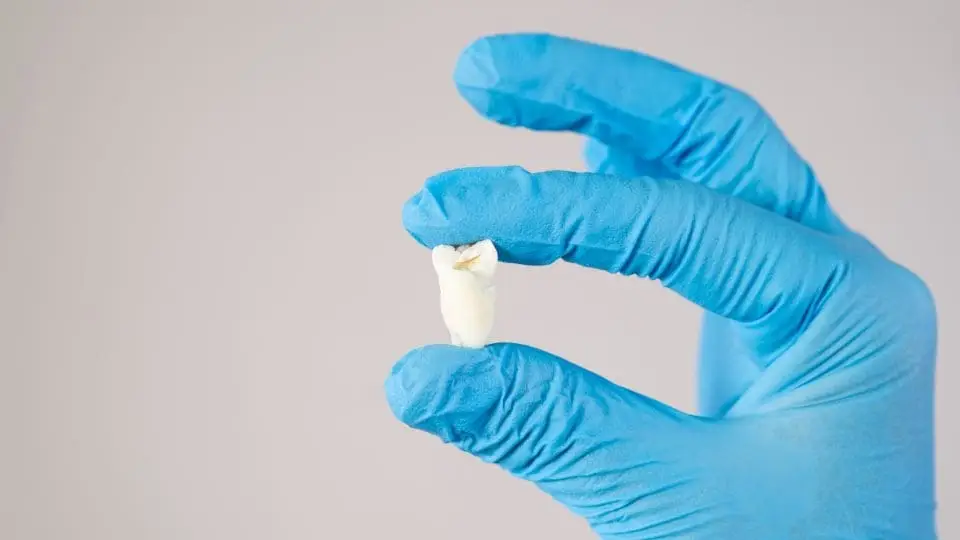
Pain after wisdom tooth extraction is usually a normal reaction and can be managed with painkillers recommended by your dentist. These medications are effective in both relieving pain and reducing inflammation that may occur. However, it is important to be careful about the dosage when taking medication and not to exceed the dosage recommended by your dentist.
Toothache is one of the most difficult pains, there are other methods that can be applied to relieve the pain after tooth extraction. For example, applying a cold compress to the extraction site can reduce swelling and pain. It is recommended to apply cold compress for ten minutes and take a ten-minute break for the first 24 hours after the extraction. Additionally, supporting your head with a high pillow helps reduce swelling throughout the night.
Avoiding hard and difficult to chew foods in the post-extraction period can prevent the pain from increasing. Consuming soft foods and drinking plenty of fluids contributes to the healing process. Gagging with salt water is also thought to help improve gum tissues.

Frequently Asked Questions About Wisdom Tooth Extraction Pain
1. How long does pain last after wisdom tooth extraction?
Most people notice that the pain subsides within a few days after tooth extraction. However, the severity and duration of pain may vary from person to person.
2. Do I have to take painkillers?
Painkillers are an effective way to manage post-extraction pain, but their use depends on personal preference. If your pain is at a manageable level and you do not want to use medication, you can try alternative methods such as cold compresses.
3. What should I do if an infection occurs after tooth extraction?
If you notice signs of infection after tooth extraction, you should immediately consult your dentist. Signs of infection include severe pain, prolonged swelling, or fever.
This blog post aims to provide basic information about pain management after wisdom tooth extraction. It is important to consult your dentist for more information about painkillers and other methods and recommendations tailored to your personal health situation.