Bruxism and Splint Treatment: What is it and How to Solve It?

Bruxism and Splint Treatment: What is it and How to Solve It?

Teeth clenching, that is, bruxism, can cause tooth wear, jaw pain and headaches in daily life. Splint therapy is an effective method to alleviate these problems. So, what is splint treatment and who is it suitable for?

March 2025 Ankara Fast Drive Orthodontics Scientific Event

Teeth Clenching (Bruxism) and Splint Treatment

teeth clenching bruxism

Teeth clenching, medically known as bruxism, means clenching or grinding the teeth without realizing it, especially during sleep. This can lead to wear on teeth, jaw joint disorders and headaches. Bruxism is often associated with emotional states such as stress and anxiety, but physical factors such as crooked teeth and malocclusion can also contribute to this condition.

Teeth clenching, hIt is a problem that damages teeth and causes tension in the jaw muscles. Individuals who clench their teeth, especially at night, may wake up in the morning with complaints such as jaw pain, headache and tooth sensitivity. If left untreated, these problems can progress and lead to cracks in the teeth, tooth enamel wear and jaw joint disorders.

splint therapy

What is Splint Treatment?

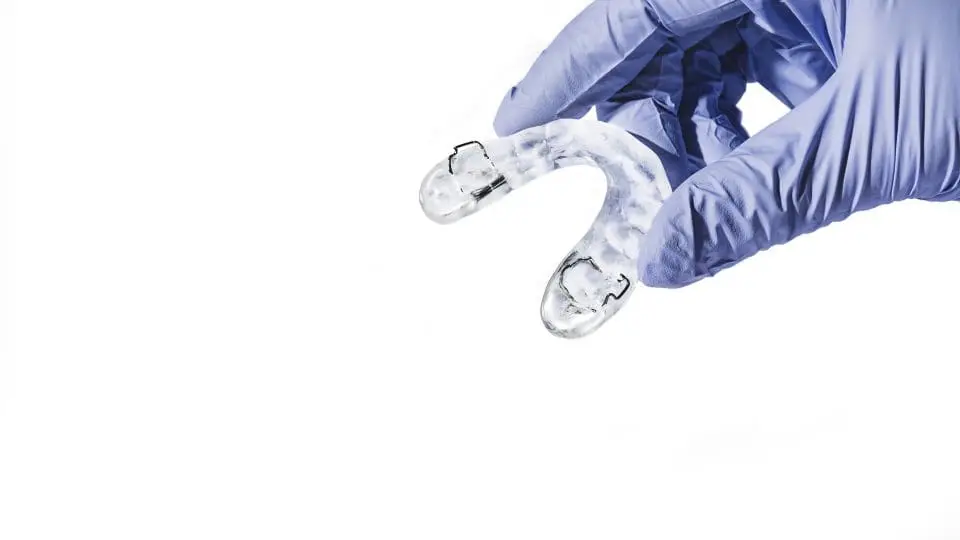
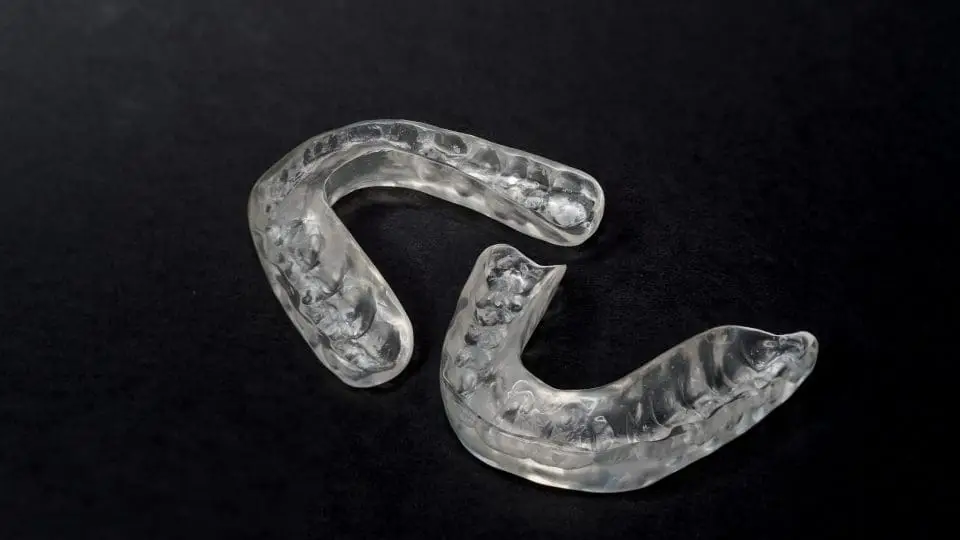
One of the most commonly used methods in the treatment of teeth clenching is splint treatment. A splint is a protective appliance, usually made of acrylic, that is worn over the teeth. This appliance, also known as a night plate, prevents teeth from rubbing and squeezing together, thus preventing wear on the teeth and damage to the jaw muscles. A custom-made splint is applied by an orthodontist or dentist.

Splint treatment relaxes the jaw muscles and minimizes the damage caused by teeth clenching. It can also prevent joint disorders in the long term by reducing the pressure on the jaw joint.

Other Treatment Methods for Teeth Clenching

In addition to splint treatment, there are various treatment methods to solve the problem of teeth clenching. Stress management techniques, physical therapy, regular jaw exercises and muscle relaxants are also effective in treating bruxism.It may be dual. Additionally, if there is an underlying physical cause for teeth clenching (for example, crooked teeth), orthodontic treatment may be required.

threading splint

Frequently Asked Questions About Teeth Grinding

What causes teeth grinding?

Teeth grinding is usually caused by stress, anxiety or sleep disorders. Additionally, physical factors such as crooked teeth and incorrect tooth closure can also lead to bruxism.

Is it difficult to use splints?

No, splints are very comfortable to use because they are custom-made. Splint, which usually needs to be worn overnight, is effective in preventing the damage caused by teeth clenching.

Is splint treatment a permanent solution?

Splint treatment alleviates the effects of teeth clenching and protects the teeth. However, depending on the cause of teeth grinding, additional treatments such as stress management or orthodontic treatment may be needed.

What kind of damage does teeth grinding cause to teeth?

Teeth grinding can cause wear on teeth, loss of tooth enamel, tooth cracks and even tooth fractures. It can also create pressure on the jaw joint and cause jaw pain.

How long does splint treatment last?

Splint treatment is generally a long-term treatment method and requires dental treatment.It is monitored with some controls. The duration of use of the splint may vary from person to person, but it provides long-term protection when used regularly.

Last Updated: March 19, 2025