
Dental Stone Cleaning: What is it and is it Harmful?
Last Updated: August 11, 2023

Dental Stone Cleaning: What is it and is it Harmful? Dental stone cleaning is of indispensable importance for oral and dental health. Every
Dental cleaning is indispensable for oral and dental health. Proper tooth brushing every day is necessary to maintain dental health. However, this is only part of general dental care. Scaling is a more comprehensive dental cleaning procedure that a dentist can perform professionally. This process is vital to maintaining the health of your teeth and preventing potential oral health problems. So, what is dental scaling and is it harmful to have teeth cleaned? In this article, we will answer these questions.
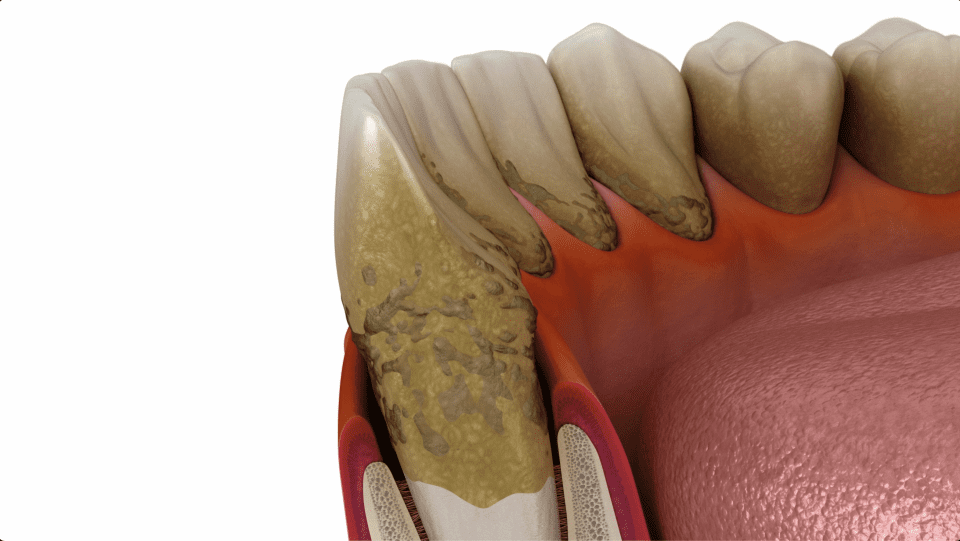
Scaling is a process in which your dentist cleans your teeth and gums from dental plaque and tartar (dental tartar). Dental plaque is a sticky, colorless layer formed on the teeth by the combination of bacteria and other residues from meals and drinks. If daily tooth brushing is insufficient, plaque hardens over time and tartar forms. Tartar can only be removed by professional dental cleaning and most often occurs below the gum line.
Is Dental Stone Cleaning Harmful?
The wrong perception that "dental stone cleaning is harmful" has taken hold in the majority of society. If teeth cleaning is done correctly at regular intervals, it is a process that does not cause any harm. Dentists use special tools when cleaning teeth, and this process is usually painless. A slight discomfort may be experienced, but this is usually very short-lived.
Scaling, on the contrary, is vital in maintaining the health of teeth and gums. Tartar buildup can lead to tooth decay and periodontal disease (gum disease). Gum disease, if left untreated, can lead to tooth loss and can also have negative effects on your overall health. Bleeding gums is one of the first symptoms of gum diseases caused by tartar.
Regular tartar cleaning helps prevent these negative consequences. While your dentist removes tartar, he or she can also identify potential problems with your teeth. This is important for early treatment and prevention of potentially more serious oral health problems.
Tooth Looseness After Teeth Cleaning
Dental stone accumulates around tooth roots and negatively affects gum and jawbone health. Tartar that accumulates under the gums over time causes gum disease, which progresses insidiously. Untreated gum diseases cause melting in the jaw bone, resulting in the loss of the supporting tissue that holds the tooth. Over time, tooth roots become surrounded by dental stone instead of bone. At this stage, after professional teeth cleaning, the tartar surrounding the roots is removed, but as the bone tissue that will support the roots melts and disappears over time, the teeth become loose. This is how loosening of teeth occurs after dental cleaning.
Loosing of teeth after dental scaling is seen in very advanced gum diseases. Since it does not cause any symptoms, the seriousness of the disease cannot be understood, and loosening of the teeth after dental cleaning is considered a side effect of the cleaning process. For this reason, it creates a misperception that dental cleaning is harmful. However, if teeth are not cleaned regularly, gum diseases have reached this level and osteoporosis is irreversible.
Scaling should be part of your regular oral hygiene routine. This process helps keep your teeth and gums healthy and is important for preventing more serious gum problems. If done properly, scaling will not cause any harm. On the contrary, regular dental scaling will have positive effects on your overall teeth and gum health. ThereforeTeeth cleaning every 6-12 months is recommended for everyone. It is very difficult to maintain ideal oral hygiene, especially in those who receive orthodontic treatment with braces, and regular dental cleaning is required.
Remember, your dental health is an integral part of your general health. You can have a healthy smile with regular tooth brushing, flossing and regular dentist visits.