儿童吮指习惯及其对牙齿发育的影响
最后更新:2025年3月19日

儿童吮指习惯从长远来看可能导致牙齿和下颌问题。继续阅读,了解突出牙齿和开咬等正畸问题。

最后更新:2025年3月19日
儿童吮指习惯从长远来看可能导致牙齿和下颌问题。继续阅读,了解突出牙齿和开咬等正畸问题。

Thumb sucking is a frequently seen behavior in children. While this habit is considered quite normal in infancy, continuing after the age of four can cause serious problems in the structure of the mouth, teeth and jaw. Thumb sucking causes especially the upper front teeth to protrude and the lower and upper incisors to not meet each other. This situation is called "open bite" and causes serious problems in jaw closing.It may cause disorders.
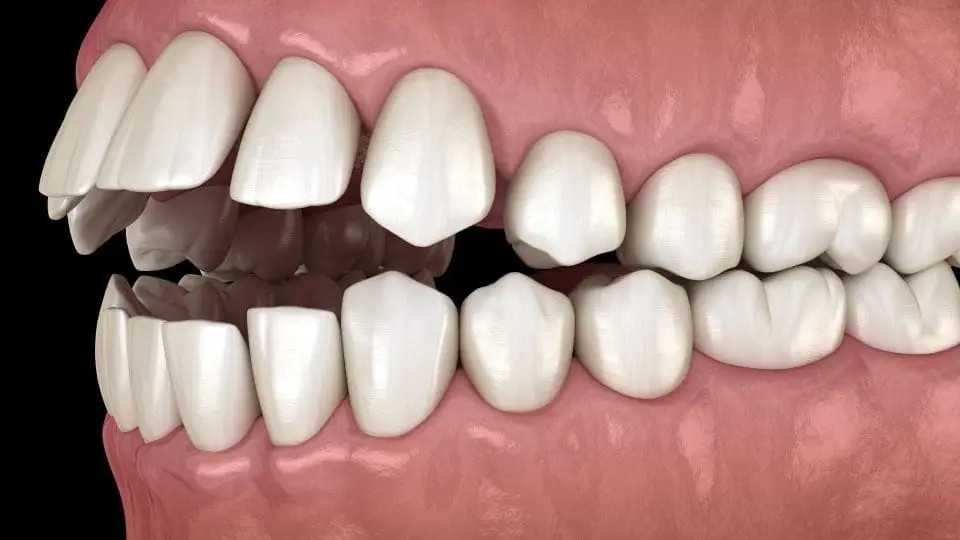
Long-term thumb sucking habit may prevent teeth from emerging in the correct position. One of the most common consequences is that the upper front teeth become protruding forward. In children who suck their thumbs, the disorder known as open bite occurs because the teeth and jaw structure do not develop properly. In this case, the lower and upper incisor teeth do not contact each other during closing and it may be difficult for the child to chew and speak properly.
As a common misconception in the society, it is thought that orthodontic treatments should be postponed until the age of 12-13. However, problems such as protruding teeth and open bite that develop due to thumb sucking can lead to irreversible consequences in later ages if left untreated. It is recommended that children who suck their thumbs be regularly examined and followed up by an orthodontist starting from the age of 7, especially if there are visible disorders in the teeth and jaw structure. Orthodontic interventions performed at an early age can positively affect tooth and jaw development and prevent more complex treatments.
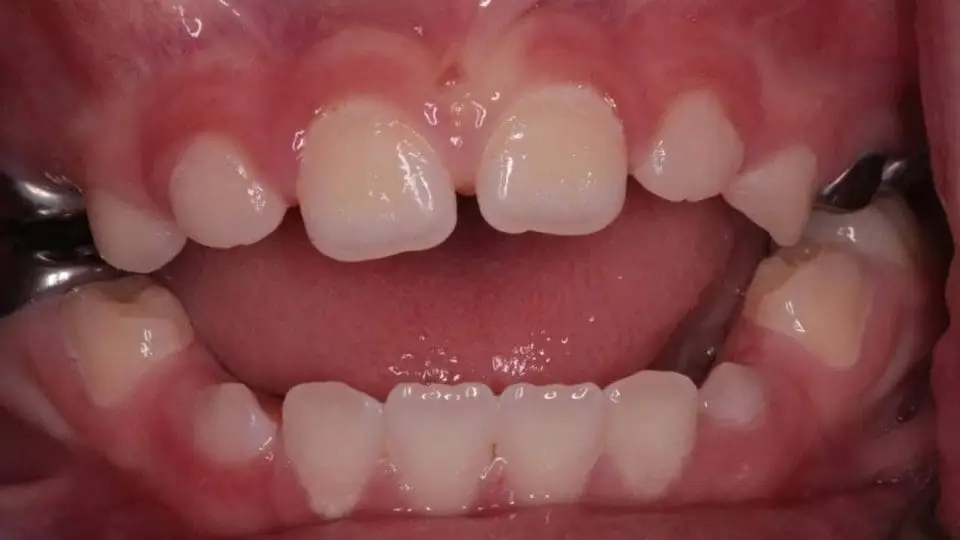
Different methods can be applied to stop the thumb sucking habit and to correct the disorders in the teeth. It is important for families to encourage their children to give up this habit. One should be patient, not put pressure, and use positive reinforcement methods such as rewards. In addition, orthodontists can diagnose dental disorders caused by thumb sucking early and create the necessary treatment plan. When necessary, the negative effects of thumb sucking can be eliminated with special appliances placed on the teeth.
Yes, thumb sucking habit can cause the upper and lower incisors not to meet and cause a disorder called open bite. This situation may negatively affect the child's chewing and speaking functions.
No, early intervention is very important, especially in dental disorders due to thumb sucking. Orthodontic examination is recommended starting from the age of 7, because being late may lead to irreversible consequences.
The thumb sucking habit should be stopped until the age of four at the latest. Continuing the habit beyond this age may lead to disorders in the tooth and jaw structure.
You should approach your child patiently, without pressuring him to quit his thumb sucking habit. He can be encouraged to quit the habit with reward methods and positive reinforcement. You can also have your teeth development checked by meeting with a dentist or orthodontist.