什么是种植体治疗?适合哪些人?
最后更新:2025年3月19日

种植体治疗是一种用于永久替代缺失牙齿的现代治疗方法。在本文中,我们将研究种植体治疗是如何进行的,以及谁可以选择这种治疗。

最后更新:2025年3月19日
种植体治疗是一种用于永久替代缺失牙齿的现代治疗方法。在本文中,我们将研究种植体治疗是如何进行的,以及谁可以选择这种治疗。
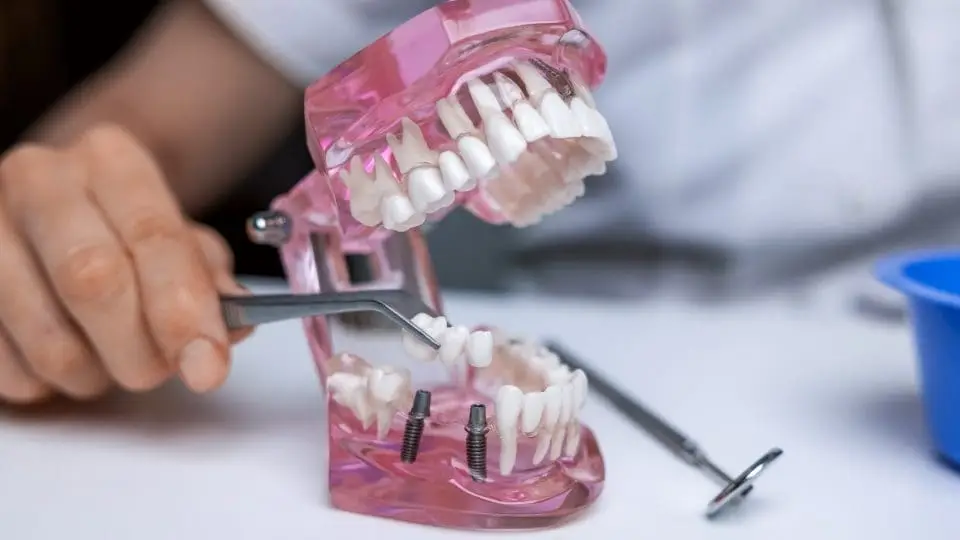
Dental implant treatment is a dental treatment performed by placing permanent, natural-looking tooth roots in place of missing teeth. Dental implants are made of body-compatible materials such as titanium and are placed in the jawbone. This treatment can be used in different situations, from a single missing tooth to complete tooth loss. While implants offer the closest alternative to natural teeth in terms of aesthetics, they also help restore chewing and speaking functions.
Implant treatment is generally a two-stage process. In the first stage, your dentist places a titanium implant in the jawbone. This procedure is performed under local anesthesia and is mostly painless. After the implant is placed, a few months are waited for the bone to fuse with the implant. This period usually varies between 3 and 6 months. After the bone and the implant are fully integrated, a dental prosthesis is placed on the implant.

Implant treatment is suitable for people with healthy gums and sufficient jaw bone. People who are in good general health and do not have gum disease or serious osteoporosis are good candidates for implant treatment. In addition, young individuals with sufficiently developed jawbones and elderly individuals with tooth loss can also benefit from this treatment.
However, in some cases, implant treatment may not be appropriate. For example, the healing process may be slower in people whose diabetes is not under control or in individuals who smoke. In this case, it is important to create the most accurate treatment plan by consulting with your dentist.
– Those with inadequate jawbone
– People who do not pay attention to oral hygiene
– Uncontrolled diabetics
– People who smoke heavily
– People with serious gum disease

– Natural Look and Feel: Implants offer the closest alternative to natural teeth and provide an excellent aesthetic result.
– Permanent Solution: Dental implants can last a lifetime when properly cared for.
– Chewing and Speaking: Missing teeth can negatively affect chewing and speaking functions. Implant treatment eliminates these problems and provides a more comfortable life.
Implant placement is painless because it is performed under local anesthesia. A slight discomfort may be felt after the procedure, but this can usually be controlled with painkillers.
It is necessary to wait between 3-6 months for the implant to fuse with the jawbone. After this process, the prosthetic tooth is placed. TotalThe process may vary depending on the patient's recovery status.
Those with inadequate jawbone, those with serious gum disease and smokers may not be suitable for implant treatment. However, alternative treatments may be available for these situations.
No, the care of implants is like natural teeth. You can keep your implants healthy with regular tooth brushing, flossing and routine dentist checks.
With regular maintenance, dental implants are long-lasting. However, in cases where tooth brushing and oral hygiene are poor, implant loss may occur even within a few years.