
歯石はなぜ形成されるのか?
最終更新日:2025年3月19日

歯石は歯の表面に蓄積したプラークが硬化して形成された鉱物沈着物です。この形成は歯茎の健康を脅かします。
Dental tartar is mineral deposits formed by the hardening of plaques accumulated on the surface of the teeth. This formation is a serious problem that threatens gum health. So, why and how does dental stone form? The answer to this question includes many factors, from oral hygiene to the chemical structure of saliva.
Dental tartar is medically called "tartar" or "calculus". A sticky biofilm layer forms on the teeth, which is formed by the combination of bacteria and food residues. If this biofilm layer is not cleaned regularly, it interacts with the minerals contained in saliva and hardens. The hardened biofilm forms dental calculus. Tartar can progress under the gums and cause gum diseases.
The main factors affecting the formation of tartar are:
1. Lack of Oral Hygiene:If teeth are not brushed and flossed regularly, biofilm accumulates and hardens over time.
2. Nutritional Habits: Sugary and starchy foods accelerate biofilm formation on the tooth surface. When such foods combine with saliva, they produce acid and damage tooth enamel.
3. Chemical Structure of Saliva:Some people's saliva is more prone to tartar formation. The content of saliva affects the hardening process of plaques.
4. Genetic Factors:Individuals with a family history of tartar problems may be genetically more prone to this condition.
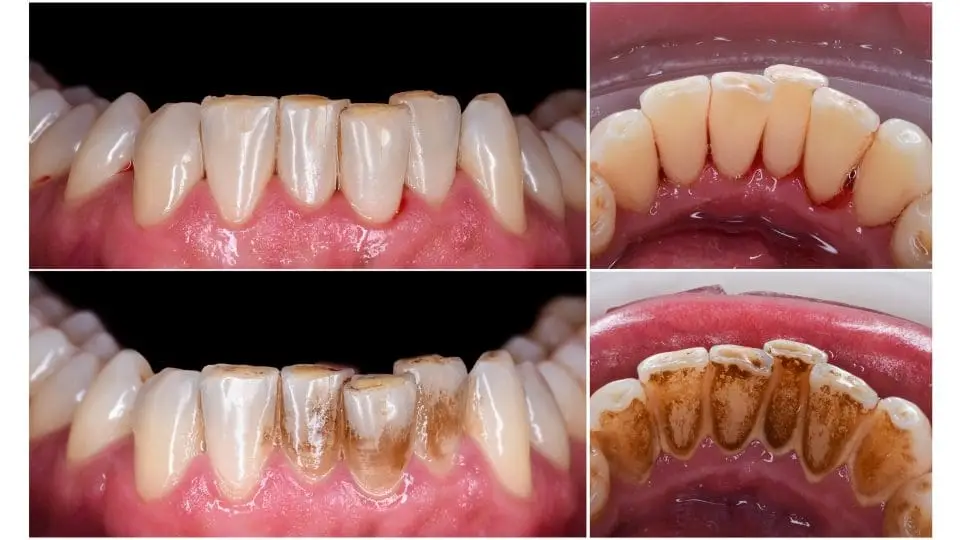
Dental tartar, in addition to damaging the aesthetic appearance of the teeth, can also cause serious gum diseases. Cleaning dental tartar requires a professional dental cleaning. Dentists use special tools to clean the dental stone in a way that does not damage the tooth surface. Regular dental checkups and professional dental cleanings are the most effective methods to prevent tartar formation.
The best way to prevent tartar is to establish a good oral hygiene routine. Brushing your teeth at least twice a day, using dental floss and supporting it with mouthwash will prevent biofilm formation on the tooth surface. It is also important to visit your dentist regularly and have your teeth cleaned.
There are some misconceptions among the public about scaling. One of these is that cleaning tartar scratches the tooth surface and causes teeth to become loose. However, this is completely wrong. None of the scaling methods used by dentists scratch the teeth. On the contrary, scaling is extremely important to maintain gum health. The loosening of the teeth after scaling is not caused by the scaling, but by gum recession caused by tartar that has not been cleaned for a long time. This disease melts the gums and jawbone over time, causing the teeth to become loose. When tartar is not cleaned, gum diseases may develop and these diseases may lead to tooth loss. Therefore, tartar cleaning should be done regularly and gum health should be maintained.

Frequently Asked Questions About Dental Stone
Does scaling cause pain?
Cleaning dental stone is generally not painful. However, people with gum disease or sensitivity may experience mild discomfort. The dentist minimizes this discomfort by using local anesthesia when necessary.
How can I prevent the formation of tartar?
Regular brushing, flossing, oral irrigator and using salt water mouthwash prevents tartar formation. are the most effective ways to prevent it. Also, regular dentist checks are important.
Does tartar go away on its own?
No, tartar does not go away on its own. Hardened plaque can be removed by professional teeth cleaning.
Does tartar cause bad breath?
Yes, tartar is one of the most common causes of bad breath. Tartar causes bacteria to accumulate and bad odor.
How can I prevent tartar formation, which is more common in braces treatment?
During braces treatment, it is necessary to pay extra attention to tooth brushing and general oral care. You can take a look at our article to ensure ideal oral hygiene in braces treatment.