
正畸治疗完成后我们将面临什么
最后更新:2025年3月19日

您可以在本文中了解正畸治疗后保护牙齿的重要性以及所使用的防护措施。我们还回答了关于正畸治疗后防护措施的常见问题!
There are some precautions you should take to maintain the new positions of your teeth after orthodontic treatment. Because your teeth have a tendency to return to their original positions, bone maturation takes time and it is important to take preventive measures during this time.
Critical Process: First 1 Year After Orthodontic Treatment
After orthodontic treatment is completed, the process of maintaining the new positions of the teeth is actually the most critical period. It is important to be careful during this process, especially during the first year. It is not expected that the teeth will come back orthodontically after 1 year of treatment, but there are points to be taken into consideration to prevent aesthetic deterioration.
One of the most common situations is that wisdom teeth try to come out and squeeze the front teeth in the process. In addition, habits that apply excessive force to the teeth, such as clenching and grinding, nail biting, pen biting, can also affect the position of the teeth. Poor oral hygiene can cause gum recession. Gum recession negatively affects the health of the teeth as it causes the loss of the bone that surrounds and supports the teeth.
These situations are factors that threaten the aesthetic alignment of the teeth for life. However, regularly used preventive practices can reduce this risk. Internal wire (retainer) and protective plates are effective methods to maintain the new positions of the teeth and prevent such problems.
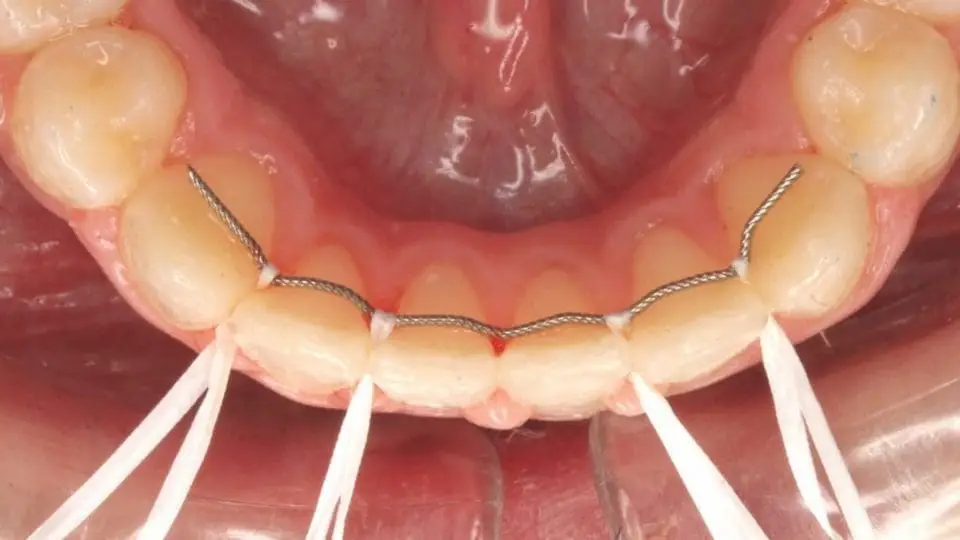
Internal Wire (Lingual Retainer)
Internal wire is a method used to maintain the new positions of the teeth after orthodontic treatment and is also called lingual retainer. It is recommended to use it for an average of 2 years. It can be used for a lifetime thanks to regular daily hygiene practices and dentist checks. In order for the retainer wire to remain intact for a lifetime, it is recommended to brush your teeth 3 times a day, use dental floss, an interdental brush and an oral irrigator. In case the wire breaks or comes out, it must be intervened immediately, because the teeth may start to return to their previous positions with each passing day.
Protective Plate (Night Plate)
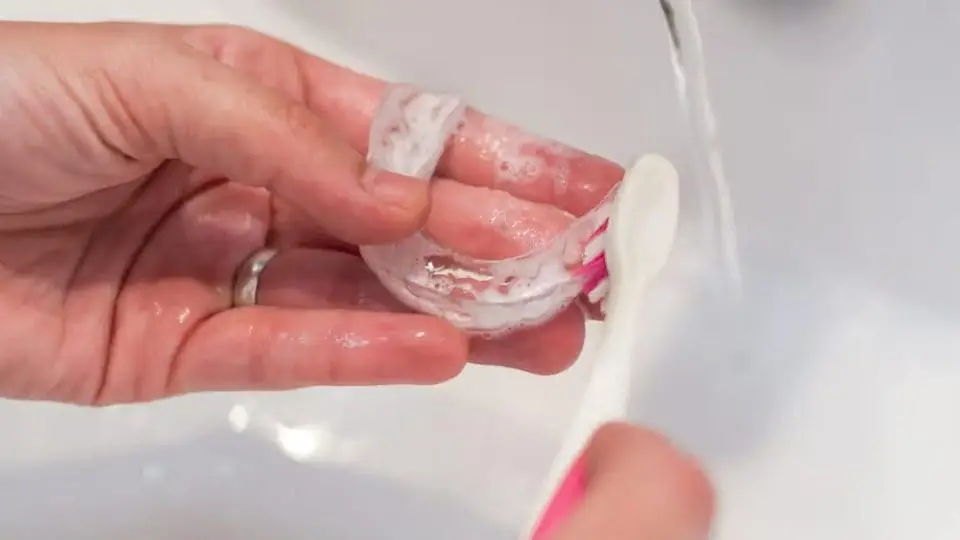
Protective plate should generally be used every night for the first 1 year. After 1 year has passed since the end of treatment, the critical period will have passed, but it will be beneficial to use it a few nights a week. In case of loss, it should be replaced without delay. When not used regularly, it loses its adaptability to the teeth and must be renewed to maintain its protection. For cleaning, brushing under running water twice a day is sufficient. Liquid soap can be used for further cleaning, but toothpaste should never be used. Using a cleaning tablet (Corega, Aktident, etc.) once a week will extend the life of the aligner. You can find detailed information about the cleaning and maintenance of transparent aligners in our article.
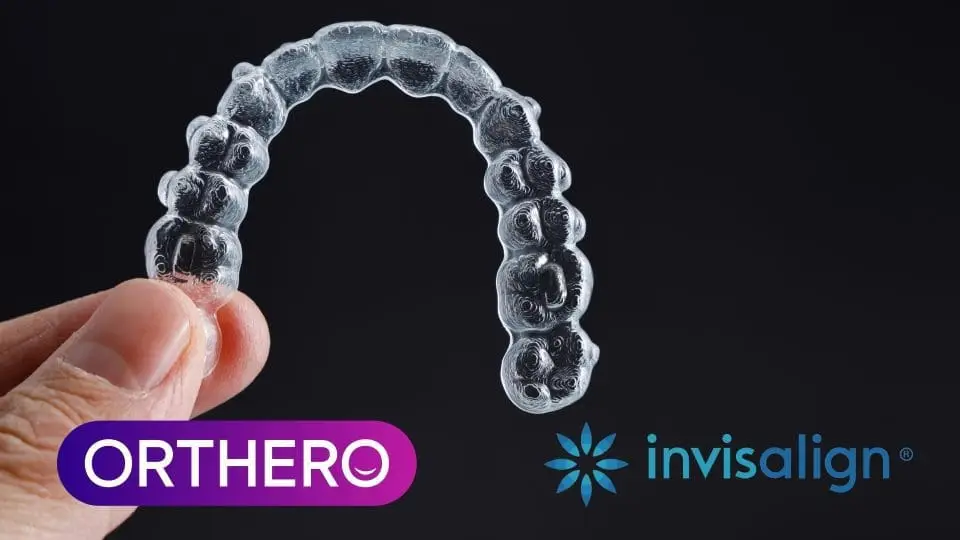
Protective Plate Types
Traditional Night Plate
It is offered as included in the orthodontic treatment fee. It is produced by technicians on plaster models obtained after an oral silicone impression. Since it is analog production, it is a thick and hard material, so it may not provide comfort. Its average lifespan is 6 months.
Digital Night Plate
It is produced on digital models obtained with an intraoral scanning device. Thanks to millimetric digital production, it has a thin and flexible structure, is more comfortable and has higher protection. Its average lifespan is 6 months. Since the position of the teeth is recorded digitally after orthodontic treatment, it may be possible to use newly produced night plates for the correction of minimal tooth deterioration.
Frequently Asked Questions About Preventive Measures After Orthodontic Treatment
1. How long should I use protective measures?
It is recommended that you use the inner wire for 2 years on average, and the protective plate every night for the first year. It will be beneficial to use it a few nights a week after 1 year of treatment. After braces treatment don't forget to take a look at our article where we explain frequently asked questions.
2. What are the types of protective plates?
There are two different types: traditional night plate and digital night plate. Orthero (Türkiye) and Invisalign (USA) are frequently used for the production of digital protective plates. In the long term, digital protective plates provide both comfort and price advantage.
3. How should I clean the protective plates?
You can brush the protective plates under running water twice a day. Using a cleansing tablet (Corega, Aktident, etc.) once a week will extend the life of the plate.